
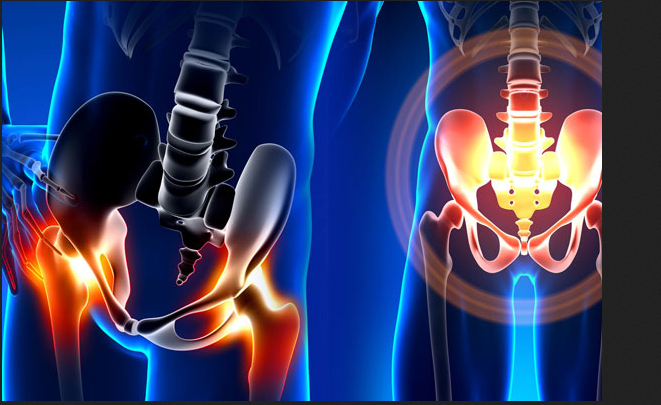
Pelvic and complex trauma represent a challenging category of injuries that involve the pelvic region and may extend to multiple body systems. These traumas often result from high-impact events such as motor vehicle accidents, falls from height, or crushing injuries. The complexity arises from the intricate anatomy of the pelvic region, which houses vital structures like the pelvic bones, organs, blood vessels, and nerves. Managing pelvic and complex trauma requires a multidisciplinary approach, combining acute care, surgical intervention, and comprehensive rehabilitation.
The immediate aftermath of pelvic and complex trauma demands swift and coordinated efforts to address life-threatening injuries. Patients are often admitted to the emergency room, where a primary focus is on stabilizing vital signs. Intravenous fluids, blood transfusions, and pain management are initiated promptly. Imaging studies, such as X-rays, CT scans, or MRI, are crucial to assess the extent of the trauma and guide immediate interventions.
Surgery plays a pivotal role in the management of pelvic and complex trauma. Orthopedic surgeons may perform open reduction and internal fixation (ORIF) to restore the integrity of pelvic bones. In some cases, damage to surrounding soft tissues or organs necessitates collaboration with general surgeons or urologists for concurrent procedures.
Complex trauma may involve injuries to the abdomen, chest, or extremities, requiring a coordinated effort among surgical specialties. The primary goal is to address immediate life-threatening issues, minimize complications, and lay the foundation for subsequent rehabilitation. Advanced techniques, such as damage control surgery, may be employed to manage multiple injuries in a staged approach.

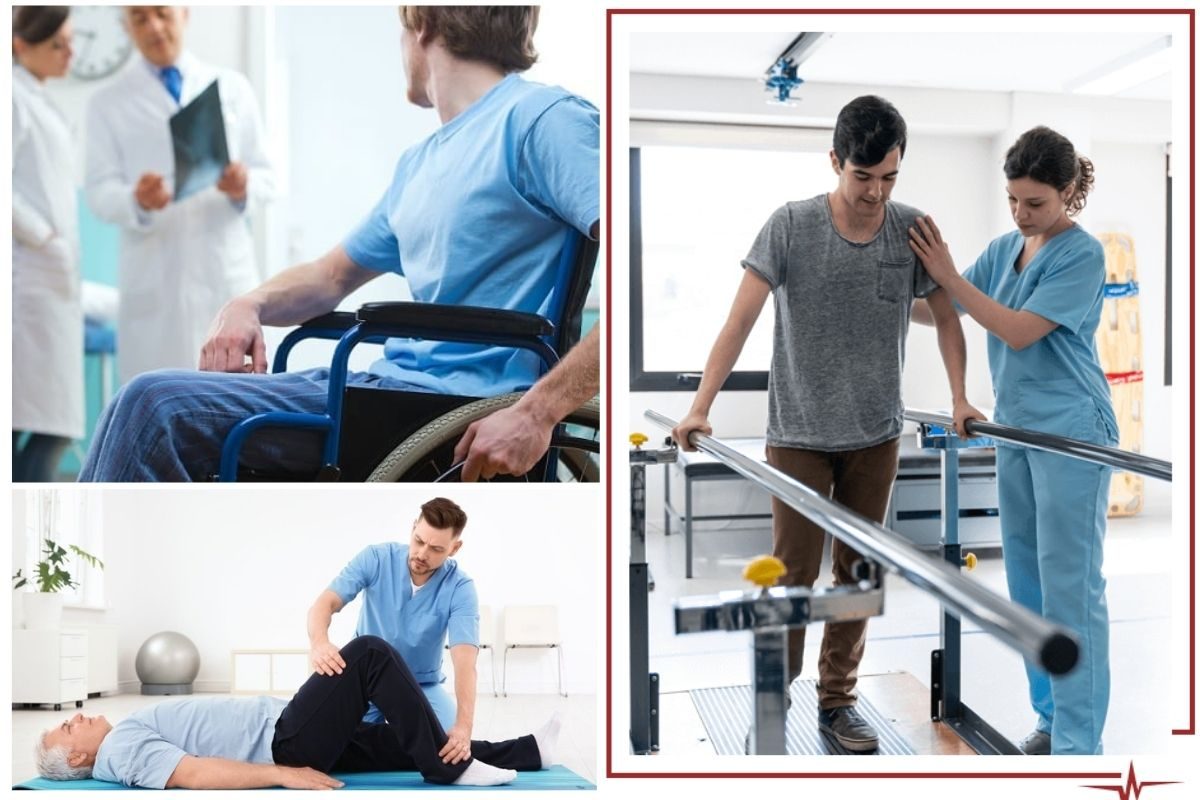
Once stabilized and surgically managed, patients transition to the rehabilitation phase, which is crucial for restoring function and promoting long-term recovery. Physical therapists play a central role in designing tailored rehabilitation programs. In the early stages, emphasis is placed on pain management, range of motion exercises, and mobility training.
The complexity of pelvic trauma often necessitates a cautious approach to weight-bearing activities. Weight-bearing status is carefully assessed and gradually progressed under the guidance of the healthcare team. Patients may initially use assistive devices, such as crutches or walkers, to support ambulation.
As rehabilitation advances, the focus shifts to strength training and functional activities. Physical therapists work closely with patients to improve muscle strength, joint stability, and overall mobility. Occupational therapists contribute by addressing activities of daily living, helping patients regain independence in self-care tasks.
Psychosocial support is an integral component of rehabilitation. Coping with the aftermath of pelvic and complex trauma can be emotionally challenging. Mental health professionals assist patients in navigating the psychological aspects of recovery, addressing anxiety, depression, or post-traumatic stress.
The long-term management of pelvic and complex trauma extends beyond the rehabilitation facility. Patients may face ongoing challenges, including chronic pain, mobility limitations, and potential lifestyle modifications. Regular follow-up appointments with orthopedic specialists and other relevant healthcare providers are essential to monitor the healing process, address complications, and adapt the rehabilitation plan.
Lifestyle modification becomes a key aspect of long-term management. Patients are educated on strategies to prevent recurrent injuries, maintain overall health, and optimize their quality of life. Multidisciplinary collaboration remains paramount, involving specialists in pain management, physiatry, and other relevant fields.
In conclusion, pelvic and complex trauma present intricate challenges that require a comprehensive and collaborative approach from the moment of injury through acute care, surgical intervention, and rehabilitation. The resilience of patients, coupled with the expertise of a dedicated healthcare team, plays a pivotal role in achieving optimal outcomes and restoring a sense of normalcy after these traumatic events.

copyright © 2023, All rights reserved | Dr. Kamlesh Kumar Gehlot