
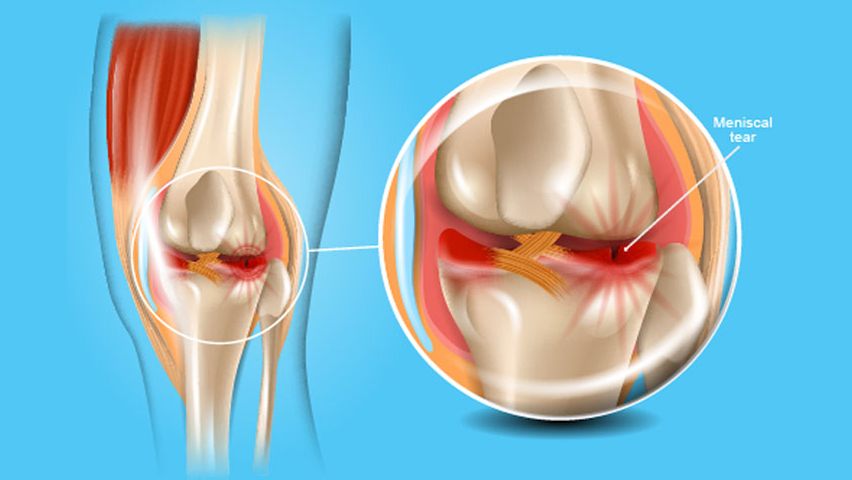
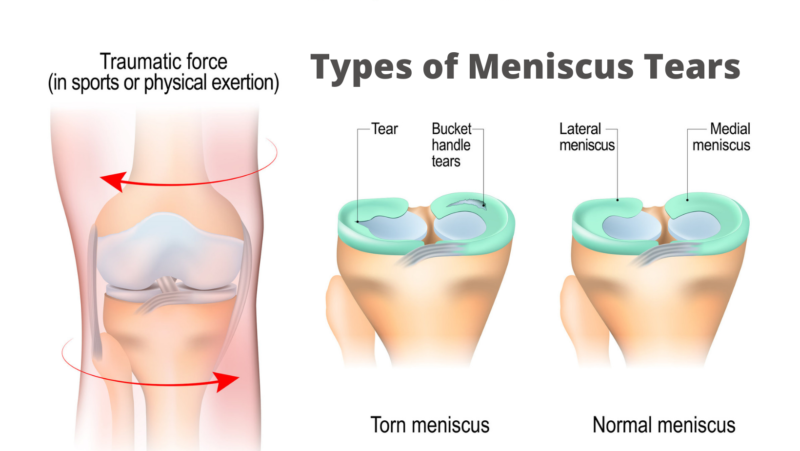
Meniscus tears are a very common knee injury, especially among athletes. Sudden twisting movements — such as pivoting to catch a ball — can tear the cartilage. People with arthritis in their knees are also more prone to meniscus tears.
Two pieces of cartilage sit inside your knee, between your thighbone (femur) and shinbone (tibia). This cartilage is the meniscus. The rubbery wedges of cartilage act like shock absorbers for your knee, providing cushioning for your bones and knee joint.
As you get older, the cartilage in your knees wears down and gets weaker. This thinner cartilage can tear more easily. Arthritis (a breakdown of cartilage in the joints) can also lead to a meniscus tear.
Most often, the meniscus tears during a sudden motion in which your knee twists while your foot stays planted on the ground. The tear frequently occurs while playing sports. People whose cartilage wears down (due to age or arthritis) can tear a meniscus from a motion as simple as stepping on an uneven surface. Sometimes, degeneration from arthritis causes a tear, even without a knee injury.
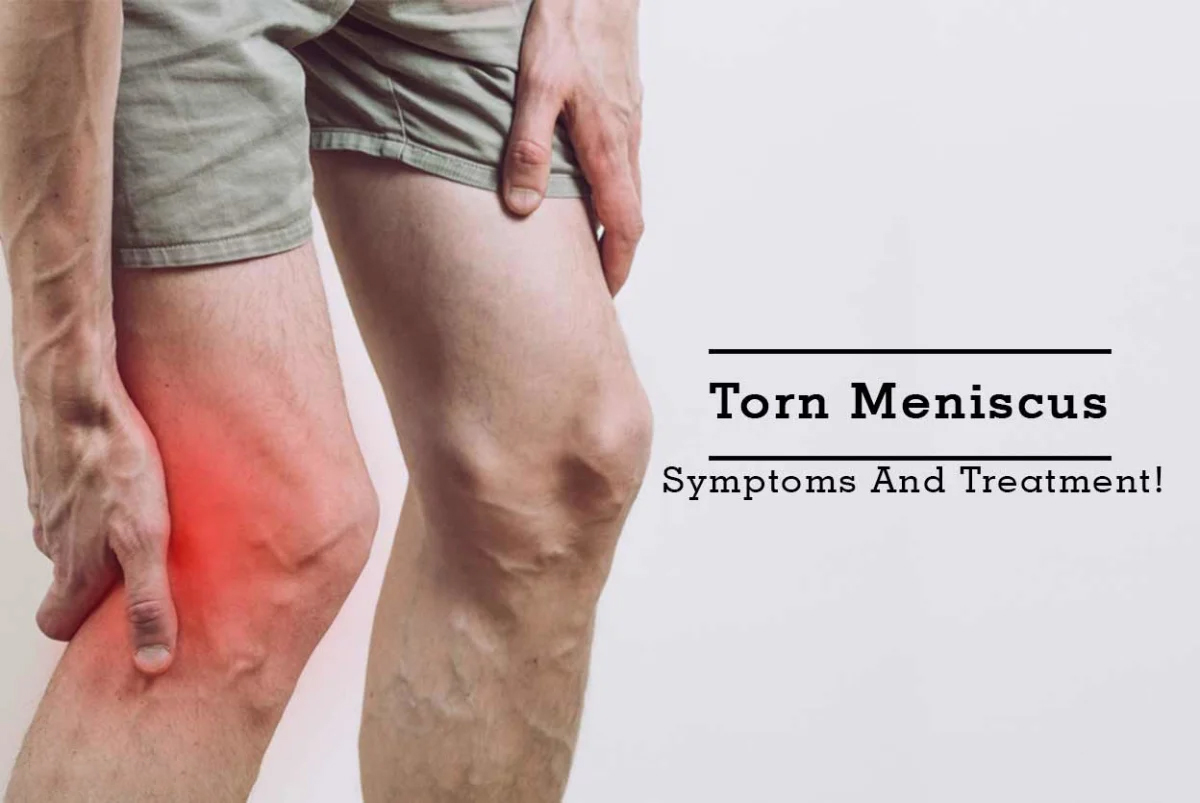
People who tear a meniscus often feel like something has popped in their knee at the time of the injury. Other symptoms include:
If your torn meniscus doesn’t heal properly, your knee won’t be as stable as it was before the injury. That can increase your risk of other knee injuries — like an ACL tear or other torn ligament.
You should call your healthcare provider if you:
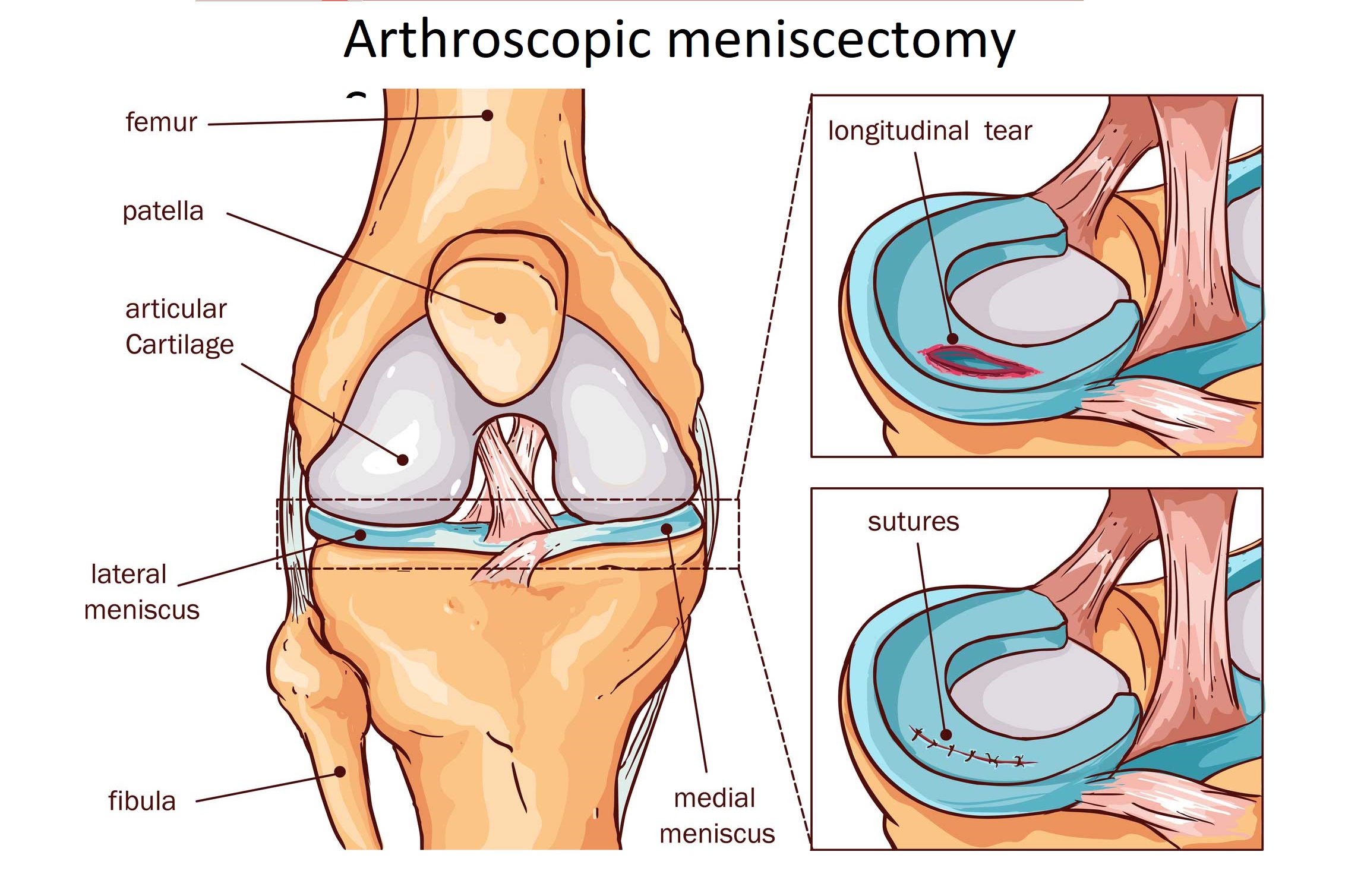

The rehabilitation for meniscus repair is generally more conservative and may involve a longer recovery period compared to meniscectomy.
copyright © 2023, All rights reserved | Dr. Kamlesh Kumar Gehlot